China’s Viral 24-Hour Spas: A Complete Guide
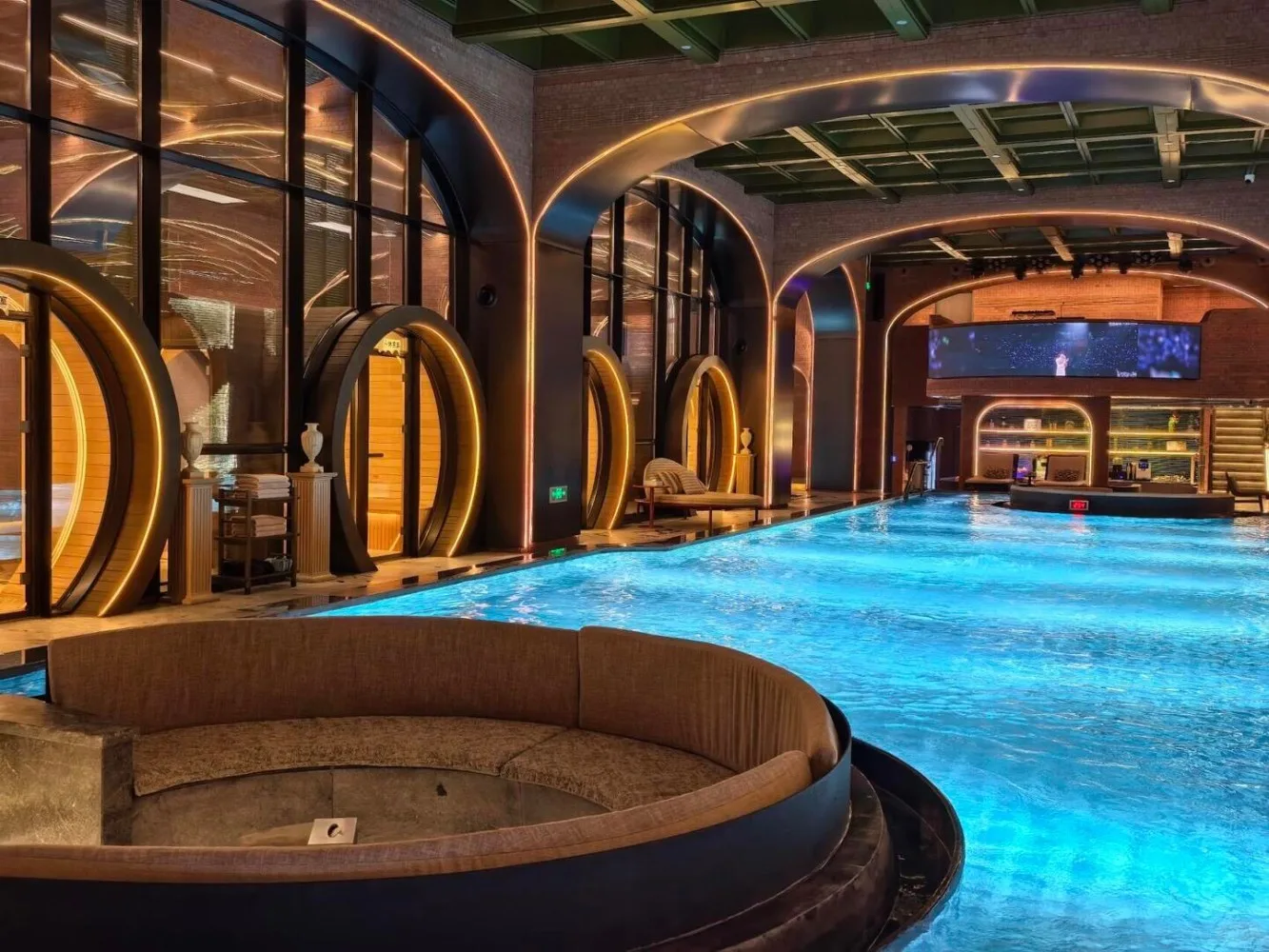
China’s Viral 24-Hour Spas: A Complete Guide
From hot pools and body scrubs to buffets, cinemas and sleeping pods, China’s large-scale spa complexes are redefining the traditional wellness experience.
China’s 24-hour spas have become an unexpected international travel trend. Videos showing extensive fruit displays, seafood buffets, heated rooms, gaming areas and sleeping pods have attracted millions of views across social media.
Although often described as “spas”, these venues offer much more than treatments. They bring bathing, wellness, dining, entertainment and rest together under one roof, allowing guests to stay for several hours or even overnight.
But what exactly happens inside a Chinese 24-hour spa? What does the admission price include, and could the experience work for an international incentive group?
What Is A Chinese 24-Hour Spa?
A Chinese 24-hour spa is usually a combination of a modern bathhouse, wellness centre, leisure club, restaurant and indoor entertainment complex.
Depending on the venue, it may include:
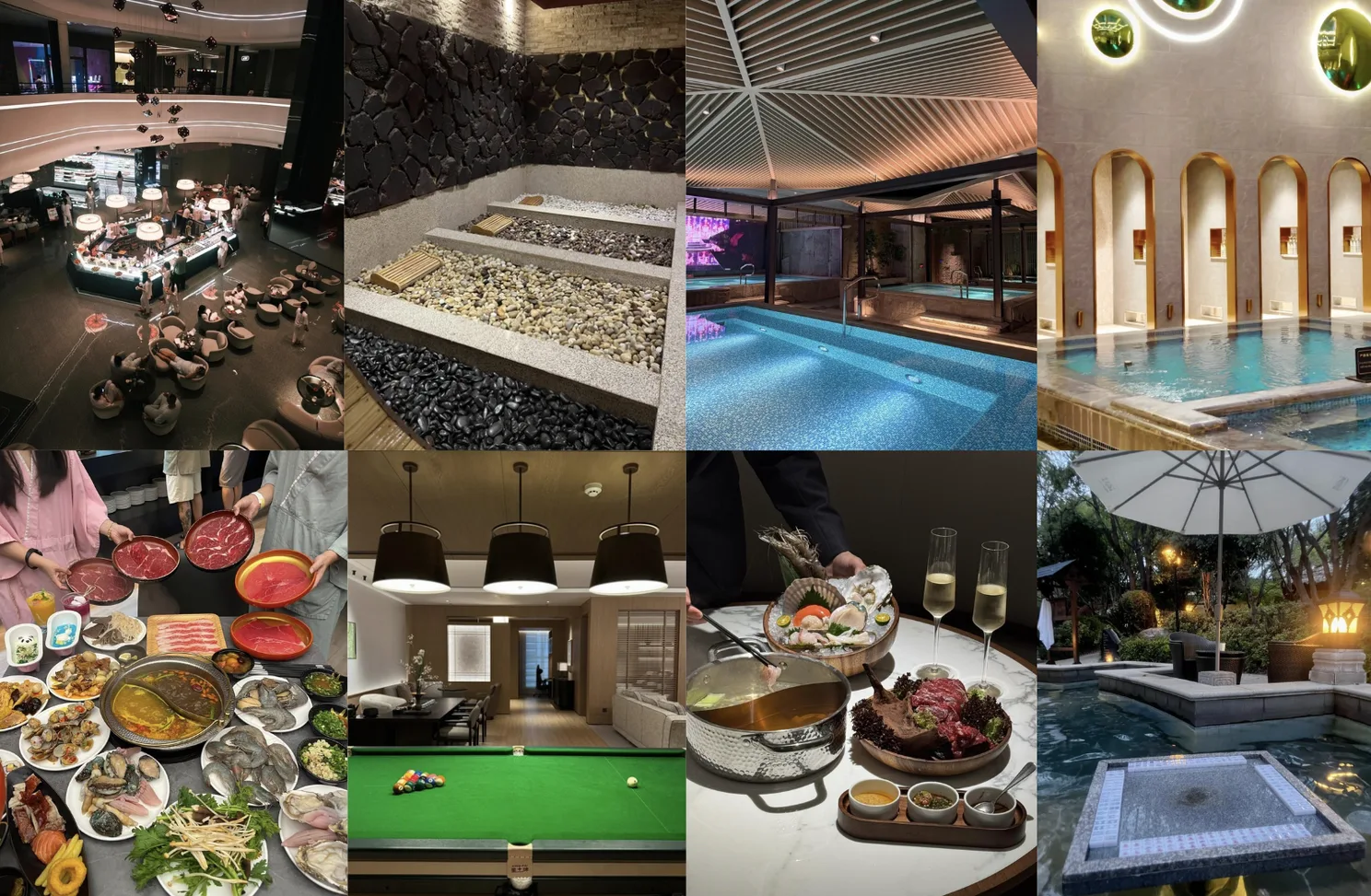
Hot and cold pools
Saunas, steam rooms and heated rooms
Shower and changing facilities
Relaxation lounges
Restaurants and refreshment stations
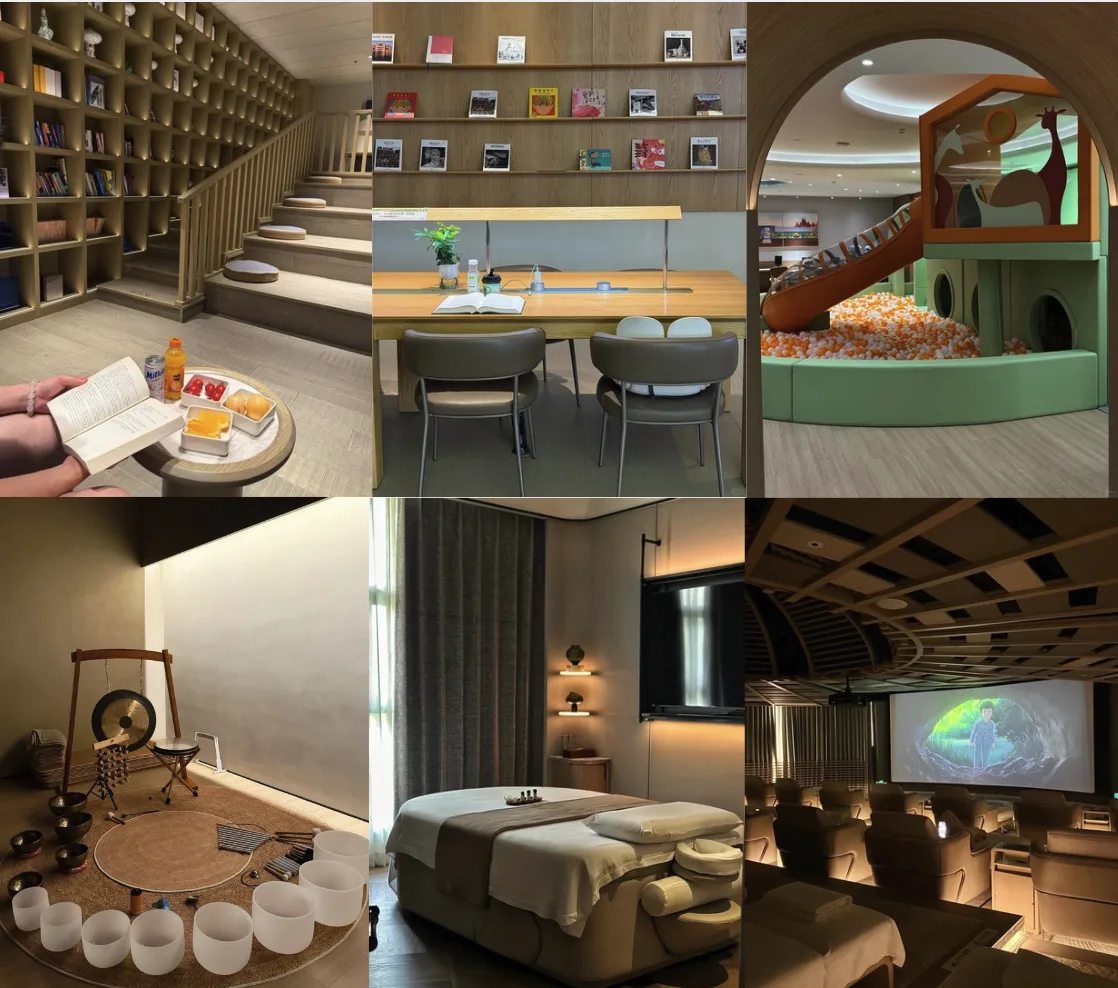
Cinemas or screening rooms
Gaming and entertainment areas
Reading rooms and quiet zones
Massage, body scrubs and beauty treatments
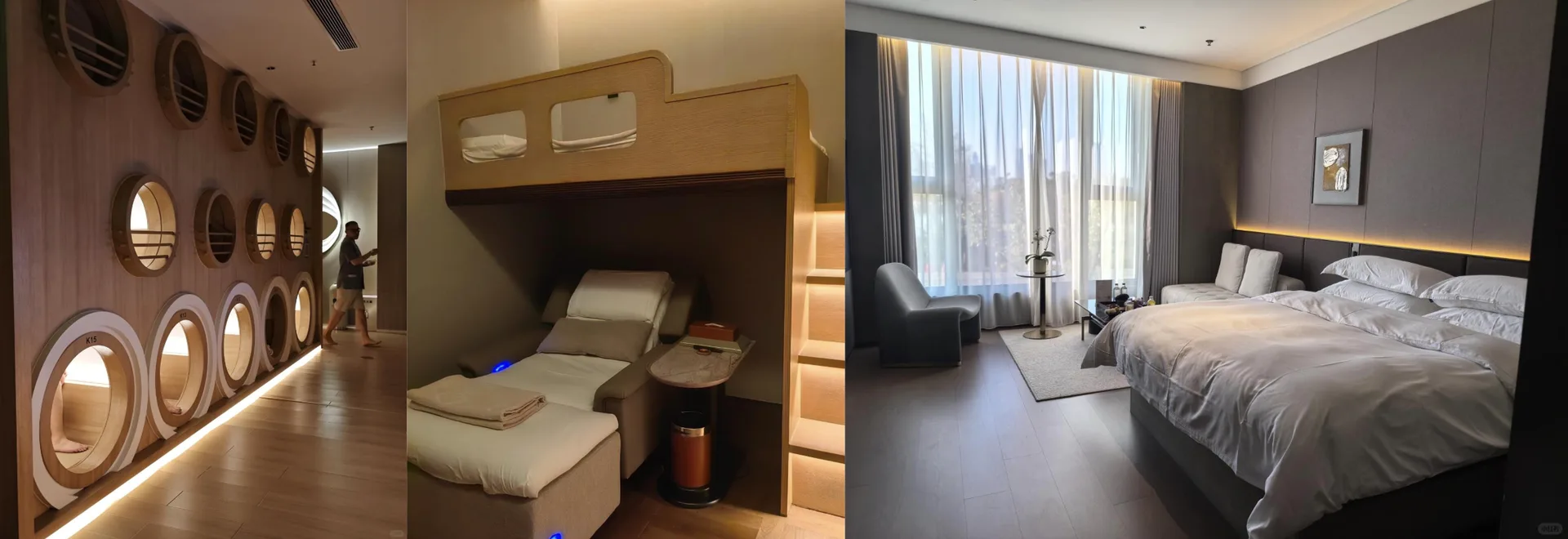
Recliners, sleeping pods or private rooms
Children’s play areas
KTV, billiards or private mahjong rooms
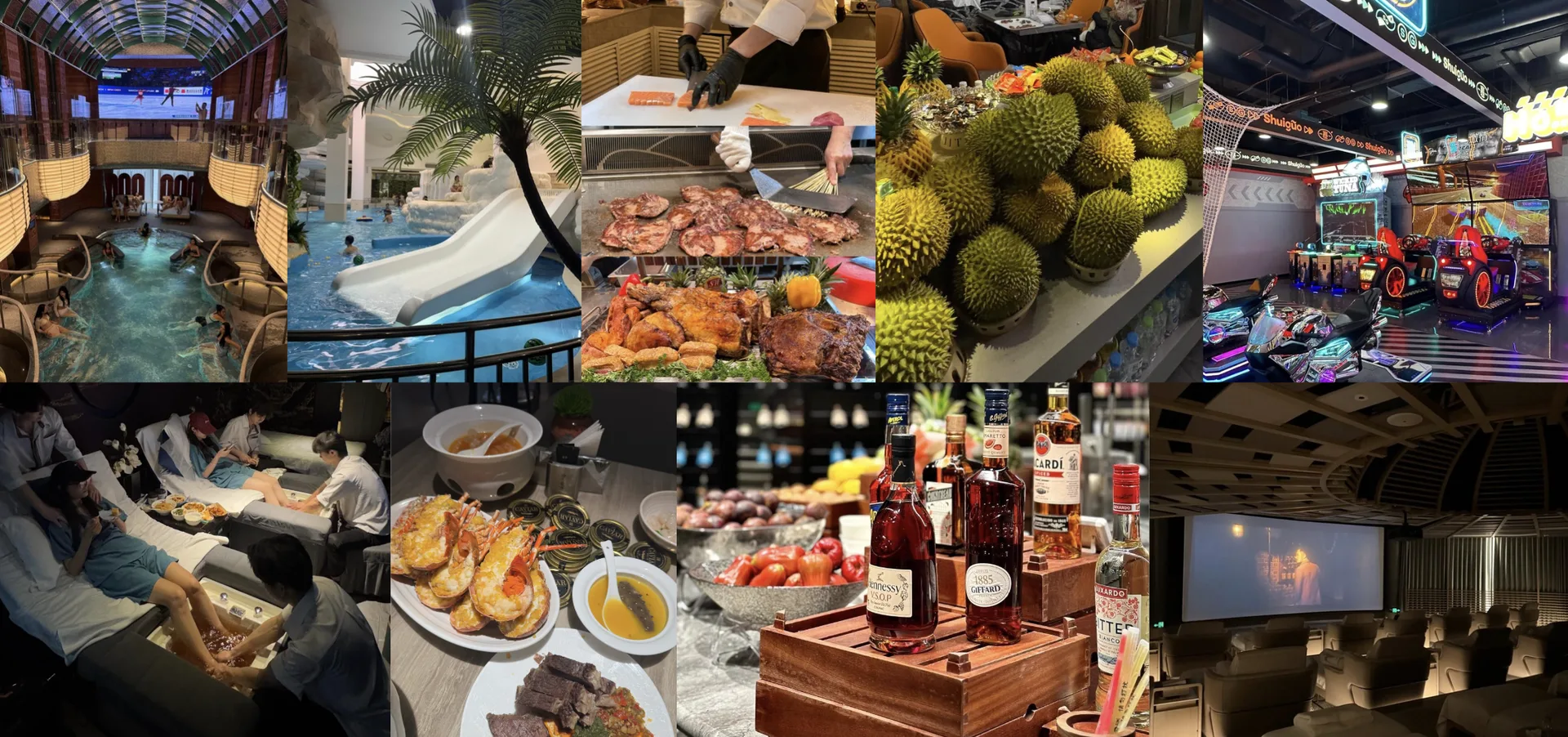
The exact offering varies considerably. Some venues focus more heavily on bathing and wellness treatments, while others resemble indoor resorts designed to keep guests entertained for an entire day.
This is what distinguishes them from conventional hotel spas. Rather than arriving for one scheduled treatment and leaving soon afterwards, guests can spend several hours moving freely between wellness, dining, rest and entertainment.
It is less a single spa appointment than an extended leisure experience.
The Design Is Evolving Too
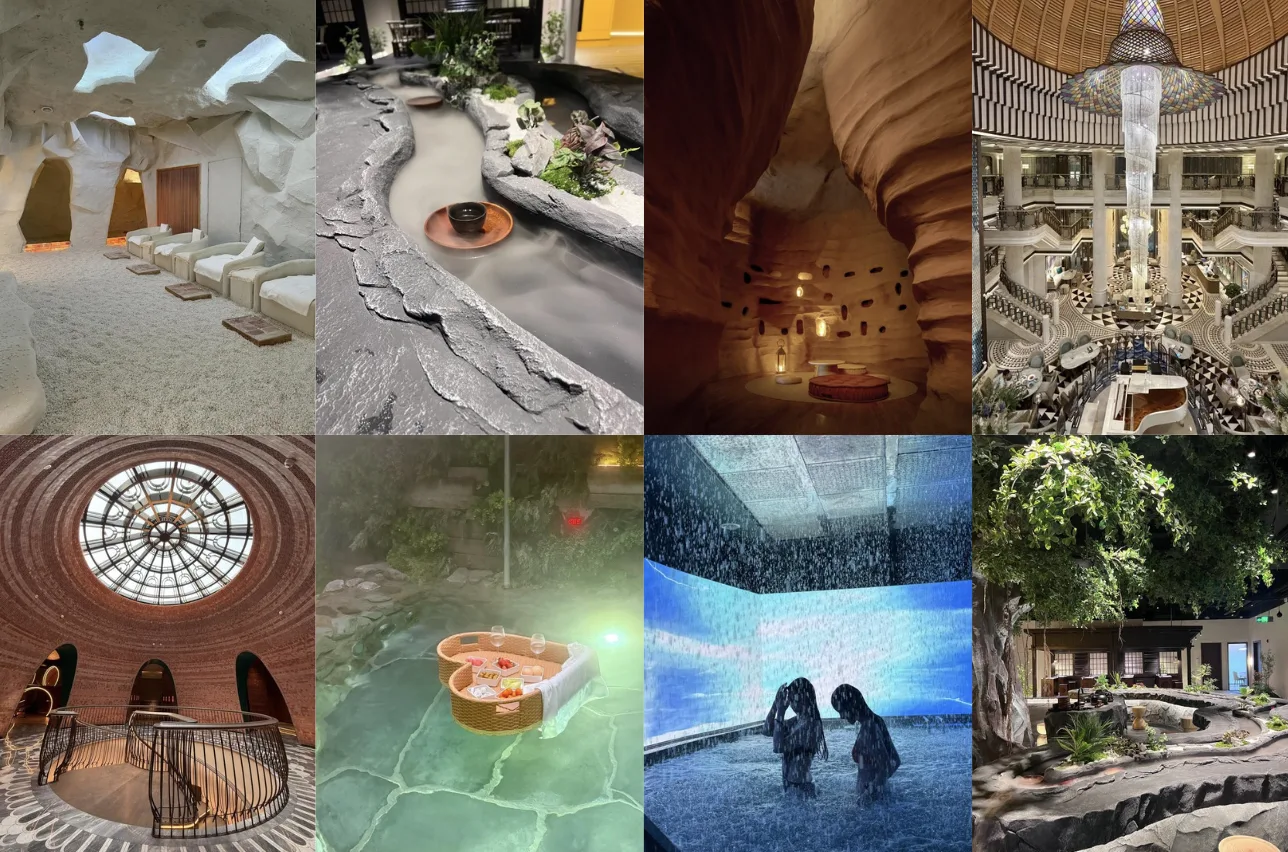
The design of China’s newer spa complexes is also becoming increasingly design-led. Many are moving beyond the functional look traditionally associated with bathhouses, introducing more considered interiors, atmospheric lighting, landscaped relaxation areas and hotel- or resort-inspired social spaces.
Some venues now place as much emphasis on the overall environment as they do on the facilities themselves, creating spaces that feel contemporary, immersive and highly photogenic.
This shift is helping transform the modern Chinese spa into a broader lifestyle destination rather than simply a place for bathing and treatments.
Does “24-Hour Spa” Always Mean A 24-Hour Stay?
Not necessarily.
The term may mean that a venue operates 24 hours a day, but individual admission packages can have different time limits. A spa may offer six-hour, 12-hour, overnight or full 24-hour tickets, with additional fees if guests remain beyond the included period.
Treatments such as massage, body scrubs, foot therapy, facials, hair washing and beauty services are also commonly charged separately unless specifically included in a package.
Before booking, visitors should check:
How many hours the ticket includes
Whether meals or refreshments are included
Which bathing and leisure facilities are covered
Which treatments require additional payment
Whether sleeping areas or private rooms are available
Whether any services need to be reserved in advance
Two venues both described online as “24-hour spas” may therefore provide very different experiences.
Three Common Categories Based On Food and Beverage Inclusions
One of the biggest differences between China’s 24-hour spas is how food and drinks are included.
There is no universal pricing structure, but venues broadly fall into three common models.
1. Spas With Full Dining Included
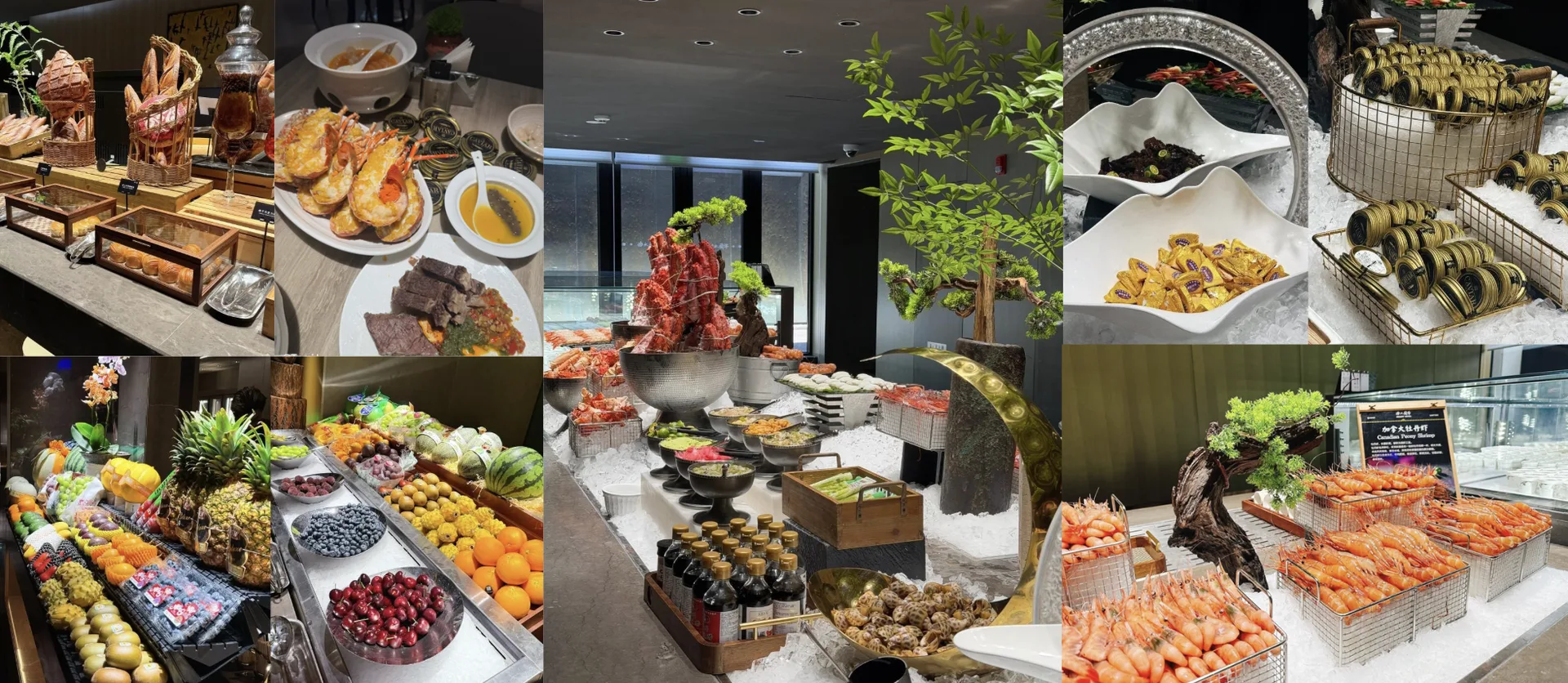
At some venues, admission includes substantial dining rather than simply a few snacks.
This might take the form of a full buffet with seafood, hot dishes, noodles, grilled items, desserts, seasonal fruit and drinks. At other venues, guests may also be able to order selected dishes from a menu as part of the admission package.
Depending on the ticket, breakfast, lunch or dinner may be available during designated dining periods.
Qushui Lanting in Shanghai is one of the best-known examples. Its available packages include 12-hour, 14-hour night and 24-hour admission options paired with a premium buffet.
The venue is particularly known for its seafood, seasonal dishes and extensive fruit selection, while massage and wellness treatments can be added separately.
It is important to distinguish between all-day refreshments and full meal service. Fruit, snacks and drinks may be available throughout much of the visit, while buffets or other main dining options may follow specific serving times.
At these spas, food can be a significant part of the overall experience rather than simply a supporting amenity.
2. Light-Refreshment Spas
The second model includes refreshments but not necessarily a complete lunch or dinner.
Depending on the venue, admission may cover:
Fresh fruit
Soft drinks
Tea and coffee
Ice cream
Cakes and desserts
Packaged snacks
Simple dishes such as congee or noodles
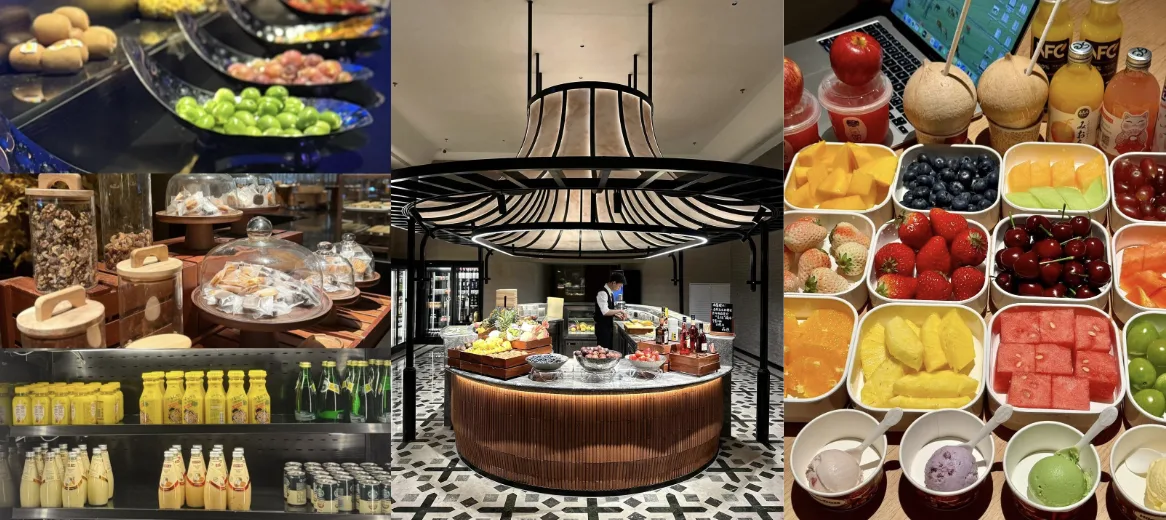
Guests can eat and drink during their visit, but the offering is closer to an extended refreshment lounge than a full restaurant experience.
For international visitors and group planners, the distinction should be clearly communicated. “Food included” can mean anything from unlimited fruit and drinks to several full meals.
3. Admission-Only Or À La Carte Spas
At other venues, the basic ticket primarily covers access to the bathing, wellness and leisure facilities.
Food and drinks may be available from an on-site restaurant, café or menu, but guests pay separately for what they order. Massage, body treatments, private rooms and other services are also generally charged individually.
This model provides more flexibility. Guests who mainly want to use the pools, saunas and relaxation areas do not have to pay for a larger dining package, while those planning a longer visit can add meals and treatments according to their preferences.
It is therefore important to compare the complete package rather than the headline admission price alone.
What Happens During A Visit?
One of the defining features of a Chinese 24-hour spa centre is the clear separation between its wet and dry zones. While facilities vary, a typical visit works as follows:
1. Choose A Package and Check In
Guests select an admission package based on the length of stay and included food, drinks or treatments. They then receive a wristband or electronic key, which provides access to a locker and records any additional spending during the visit.
2. Change In the Locker Room
After storing their belongings, guests change before entering the wet zone. The spa usually provides towels, slippers, toiletries and lounge wear for use in the dry zone later.
3. Enter the Wet Zone
The wet zone is generally separated by gender and contains the main bathing facilities, including showers, hot and cold pools, wet saunas and steam rooms.
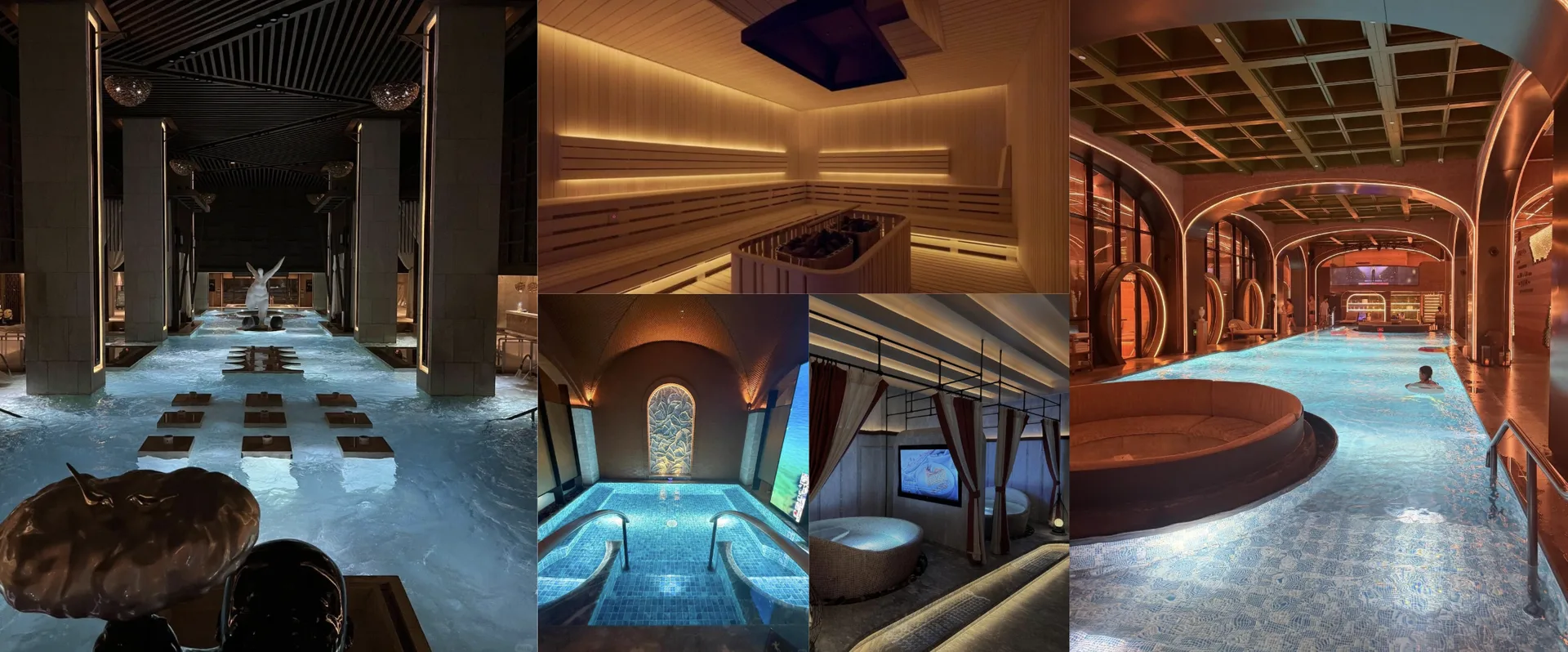
Guests typically use these facilities without clothing, although swimwear may also be worn depending on personal preference. Individual shower cubicles or screened washing areas are often available for greater privacy.
Chinese-style body scrubs are usually performed in the wet zone and can be added at an additional charge. Using a textured mitt, an attendant exfoliates the skin to remove dead skin cells. The treatment is rooted particularly in the bathhouse traditions of northeastern China.
4. Change Into Spa Lounge Wear
After using the wet zone, guests dry off and change into the lounge wear provided by the spa before entering the dry zone.
5. Explore the Dry Zone
The dry zone is generally a mixed-gender shared area entered in the lounge wear provided by the spa. It may include heated therapy rooms, salt rooms, stone-heated rooms and other temperature-controlled wellness facilities.
Restaurants, refreshment stations, cinemas, gaming areas, reading lounges, KTV rooms and rest areas are usually located in the dry zone as well.
Most massages, foot therapies, gua sha treatments take place in the dry zone or in dedicated treatment rooms.
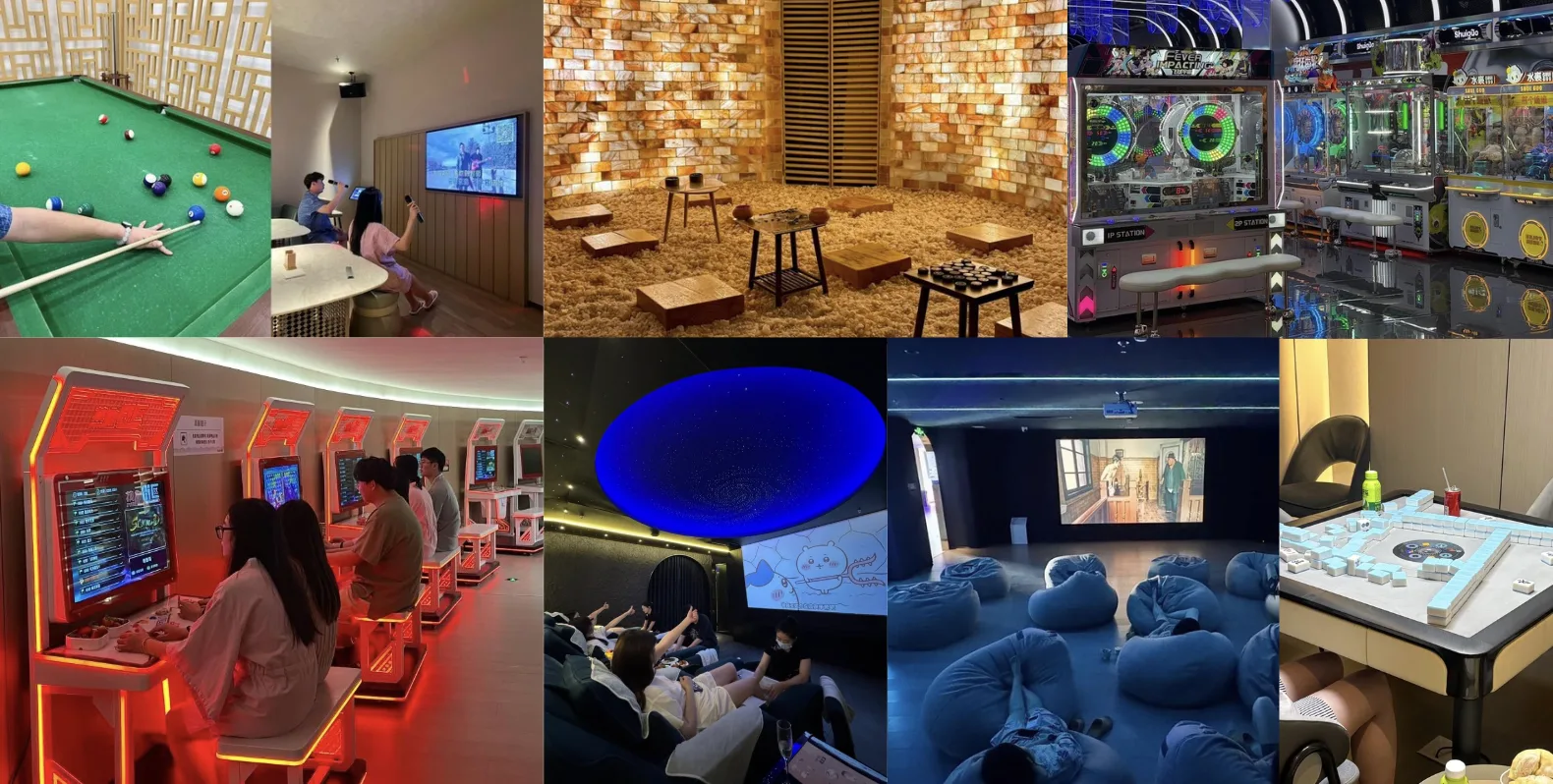
There is no fixed programme within this area. Guests may move between wellness, dining, entertainment and relaxation facilities according to their own interests.
6. Move Between the Wet and Dry Zones
Guests are not limited to visiting each area only once. During a longer stay, they can return to the wet zone for another shower, soak or steam session and then change back into lounge wear to continue using the dry-zone facilities.
This flexibility allows each guest to create their own rhythm throughout the visit.
7. Rest Or Book A Private Room
Resting facilities can range from shared recliners and open relaxation lounges to individual sleeping pods or enclosed cabins.
Some higher-end venues also offer private rooms, which may include beds, private bathing facilities or dedicated relaxation space. Availability, usage limits and additional charges should be confirmed in advance if a private room is required.
8. Check Out
Before leaving, guests return their wristband, electronic key or locker key and settle any additional charges accumulated during the visit.
Because food orders, treatments and room upgrades may all be recorded electronically, guests should review the final bill before departure.
Could China’s 24-Hour Spas Work For MICE Groups?
For the right group, a carefully selected 24-hour spa could become a distinctive incentive travel experience.
Its value lies in combining wellness, dining, entertainment and flexible leisure time in a format that many international delegates will not have experienced before.
A Flexible Activity After A Long Journey
After an international flight or several days of meetings, delegates may not want another tightly scheduled sightseeing programme.
A spa visit gives them the freedom to rest, eat and choose activities according to their energy levels. It could work particularly well as an arrival-day experience, recovery afternoon or post-conference programme.
A Contemporary Chinese Lifestyle Experience
Many incentive itineraries focus on China’s history and cultural heritage. A modern 24-hour spa introduces guests to a different aspect of the destination: how people in contemporary Chinese cities relax, socialise and spend their leisure time.
It is a modern experience, but one that remains closely connected to local lifestyle and wellness culture.
Suitable For Different Interests
A group spa programme does not require every participant to choose the same activity.
Some delegates may prefer massage, body scrubs or gua sha, while others may be more interested in heated rooms, dining, cinema, games or quiet relaxation.
This variety allows guests to personalise their time while still participating in the same overall experience.
The format may be particularly suitable for:
Small and medium-sized incentive groups
Executive retreats
VIP leisure programmes
Spouse and partner programmes
Pre- or post-event relaxation
Optional afternoon or evening activities
Small groups using private rooms or reserved areas
One Potential Challenge: Privacy Preferences
Bathing and wellness experiences are personal, and international guests may have different expectations around privacy.
Some venues provide individual shower cubicles, screened areas and private rooms, while others have more open layouts. Before recommending a venue, planners should confirm its facilities and explain the arrangements clearly to participants.
More Than Just A Viral Trend
China’s 24-hour spas may have found a new international audience through social media, but the experience is more substantial than its most eye-catching videos suggest.
These venues represent a distinctly Chinese interpretation of urban leisure: immersive, social, flexible and designed to occupy more than a single appointment. They bring together wellness, dining, rest and entertainment while allowing every guest to shape the experience differently.
For international travellers, they reveal a side of contemporary China that conventional itineraries often overlook. For incentive planners, they offer an intriguing alternative to the traditional spa afternoon.
The most memorable destination experiences do not always come from famous landmarks.
Sometimes, they come from discovering how a city chooses to slow down.